
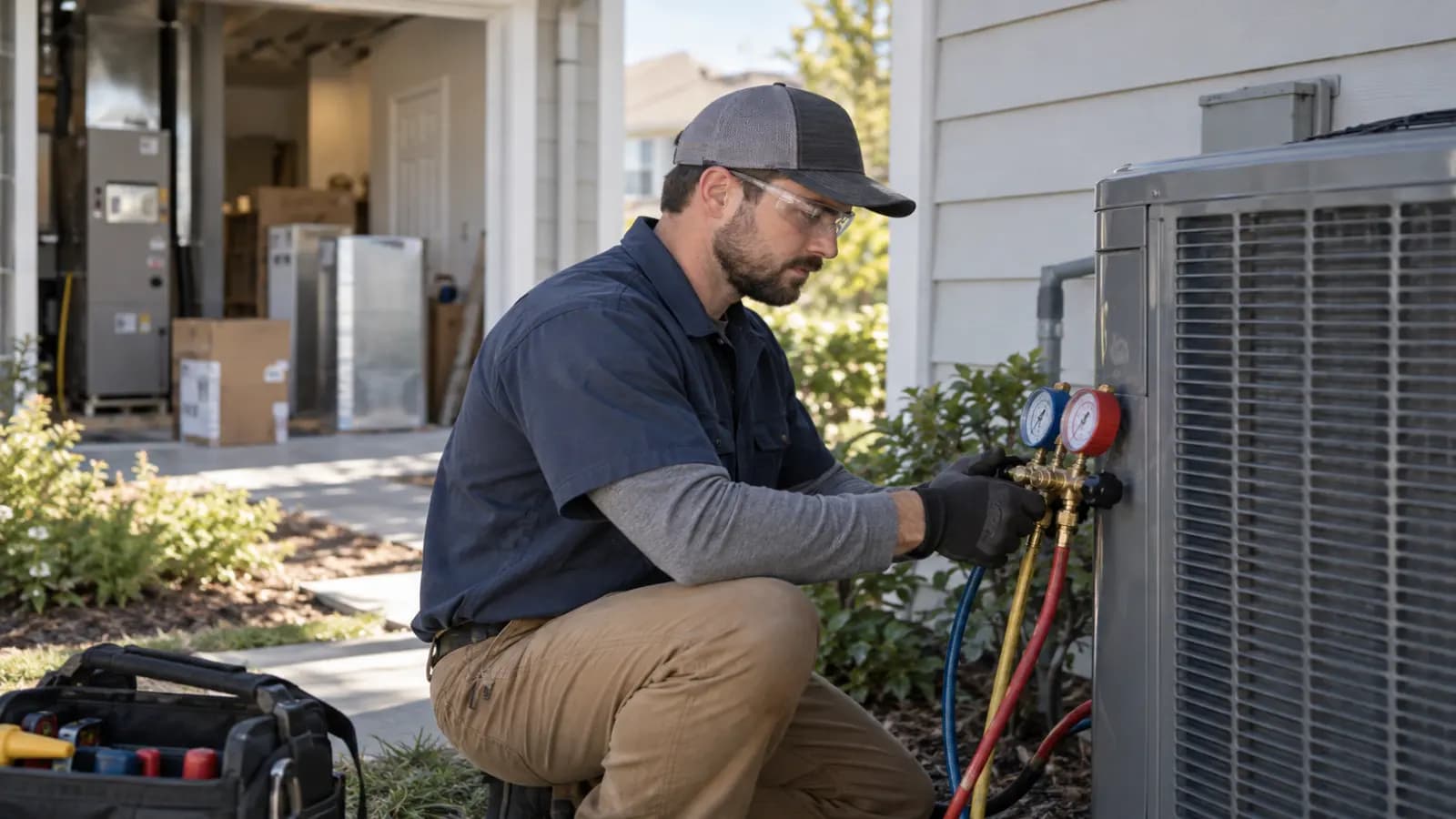
HVAC System Replacement Cost in 2026: A Homeowner’s Price Guide
A full HVAC replacement can be a straightforward equipment swap or a redesign involving ducts, electrical work, and a new heating strategy. Here is how to price the actual scope—not just the boxes.
More from the files
Attributable pricing data, maintenance timelines, and hiring standards.
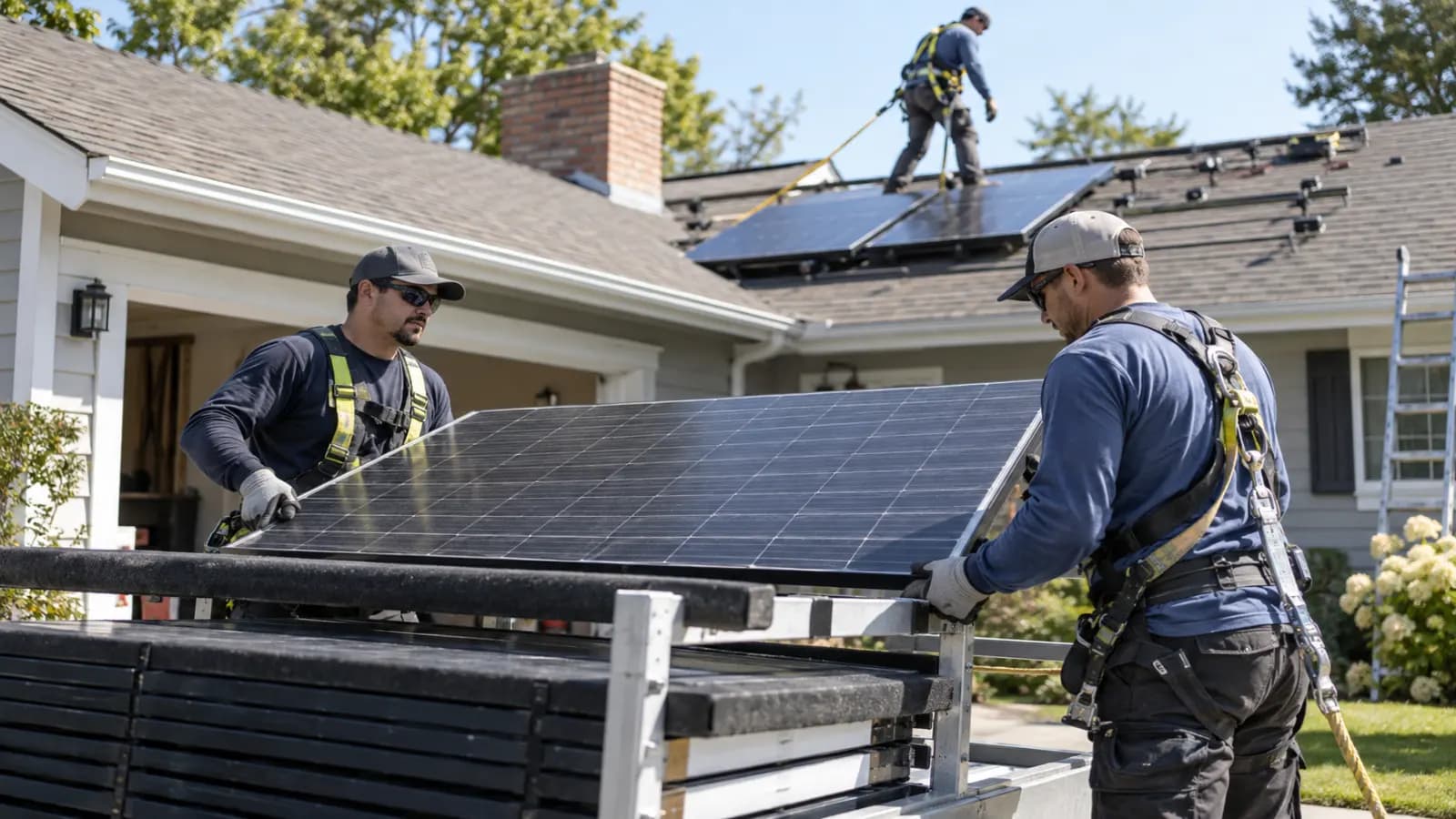
Solar Panel Removal and Reinstallation for a Roof Replacement
Replacing a roof beneath an existing solar array requires two coordinated trades, careful warranty review and a written plan for storage, flashing and recommissioning.
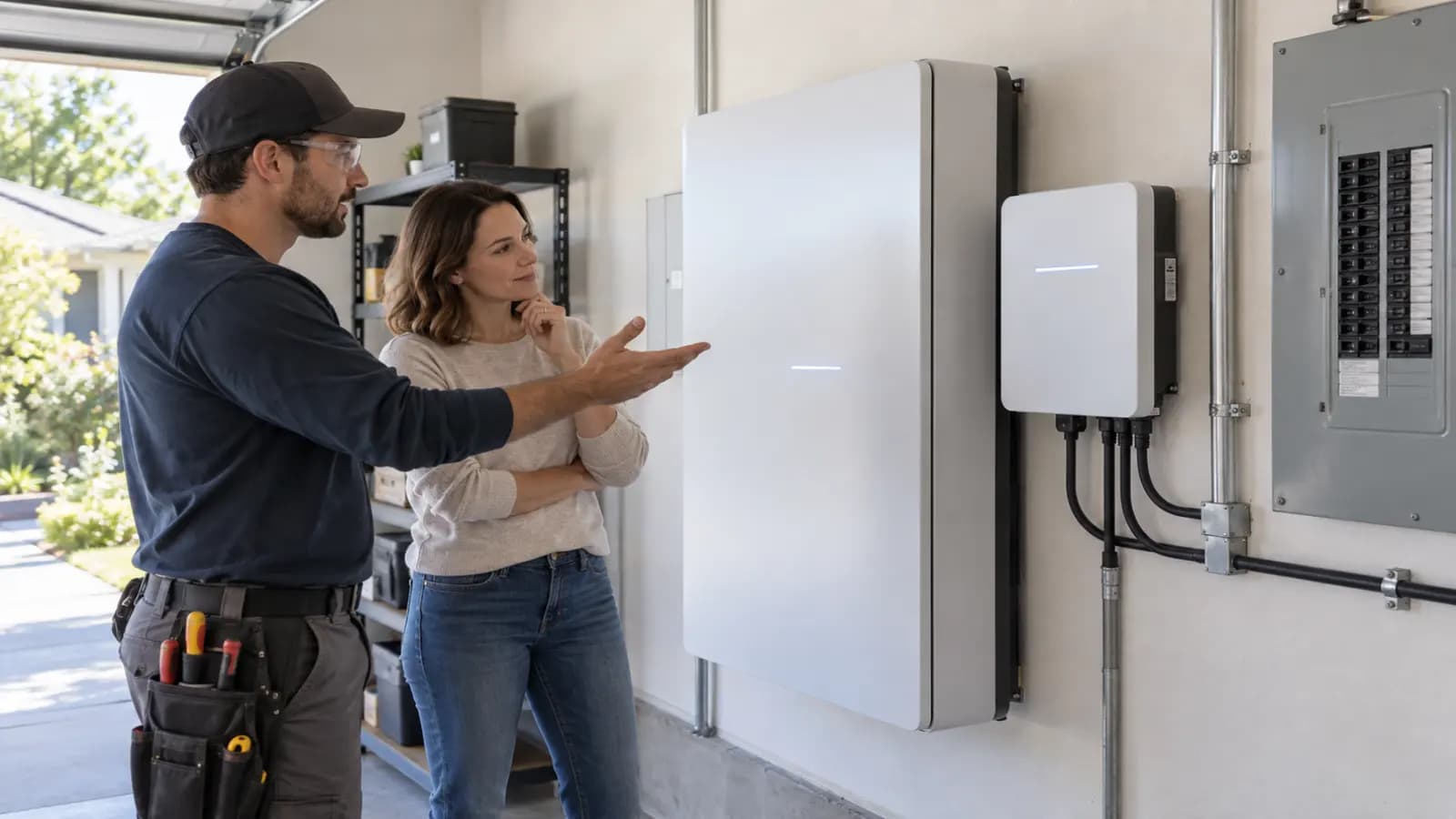
Solar Battery Backup Cost in 2026: Is Storage Worth It?
Battery value depends on the loads you need during an outage, utility rate design, usable capacity and installation scope—not simply whether your home has solar.
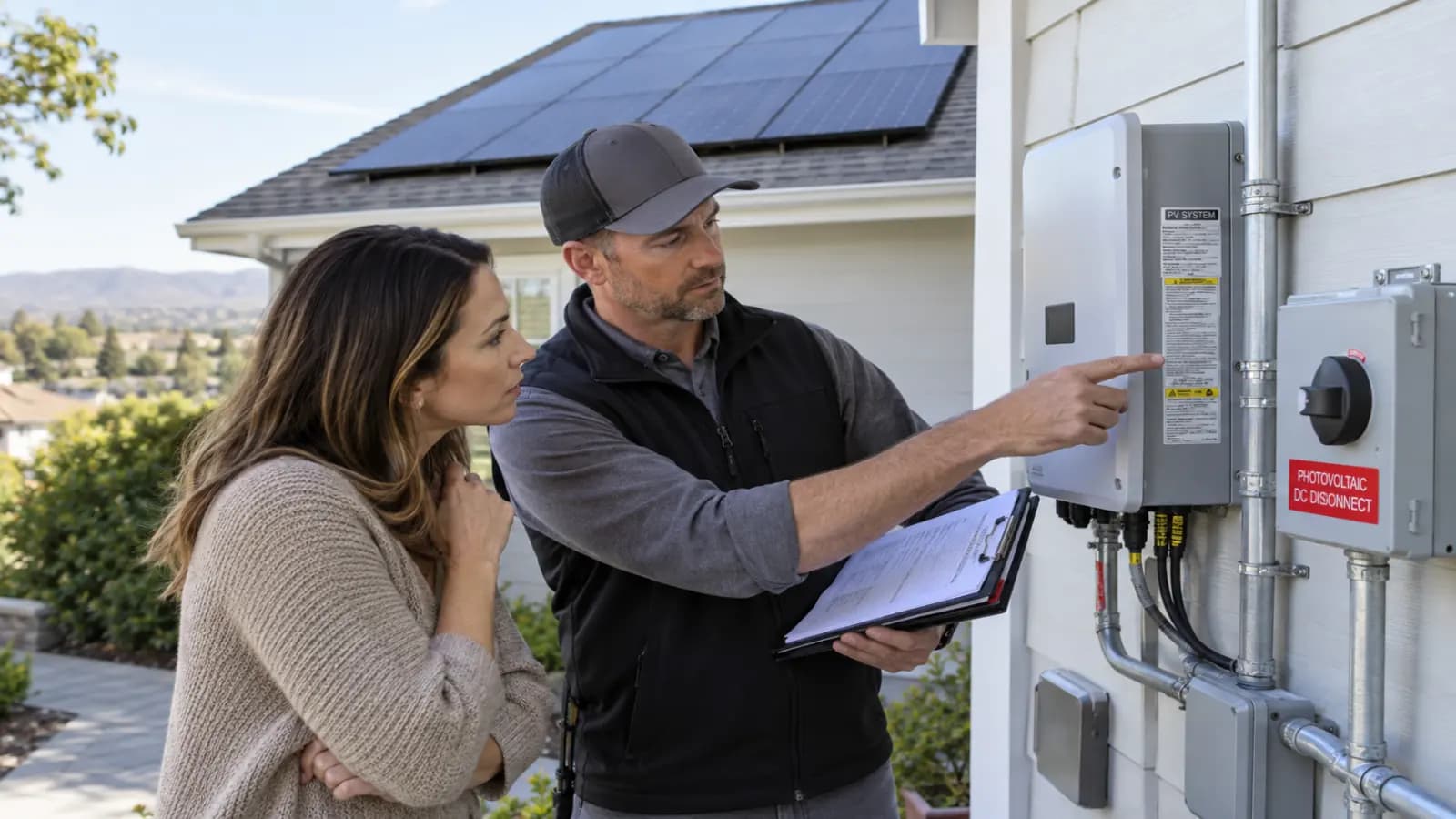
Buying a House With Solar Panels: Ownership, Lease and Warranty Checklist
Before closing on a solar-equipped home, determine who owns the system, what transfers, how it performs and whether roof or electrical work is approaching.

Heat Pump Rebates in 2026: Eligibility, Savings and State Availability
Home energy rebates are administered locally and may depend on income, equipment, project sequencing and available funds. Verify eligibility before treating an incentive as part of your budget.
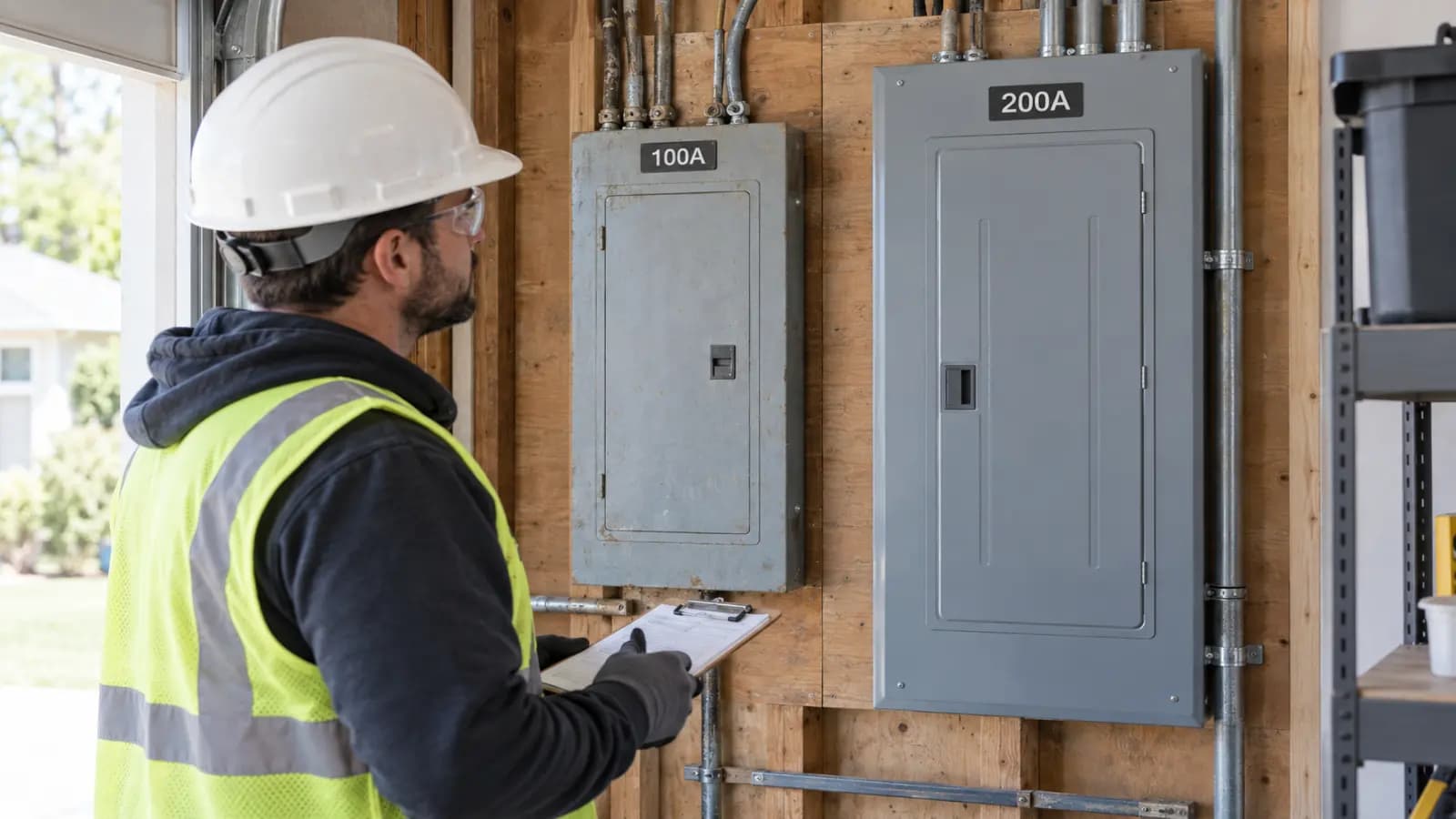
Electrical Panel Upgrade Cost in 2026: 100-Amp vs 200-Amp Service
A panel replacement, service-capacity upgrade and utility relocation are different projects. Learn what is included, when 200 amps may be justified and how to compare bids.
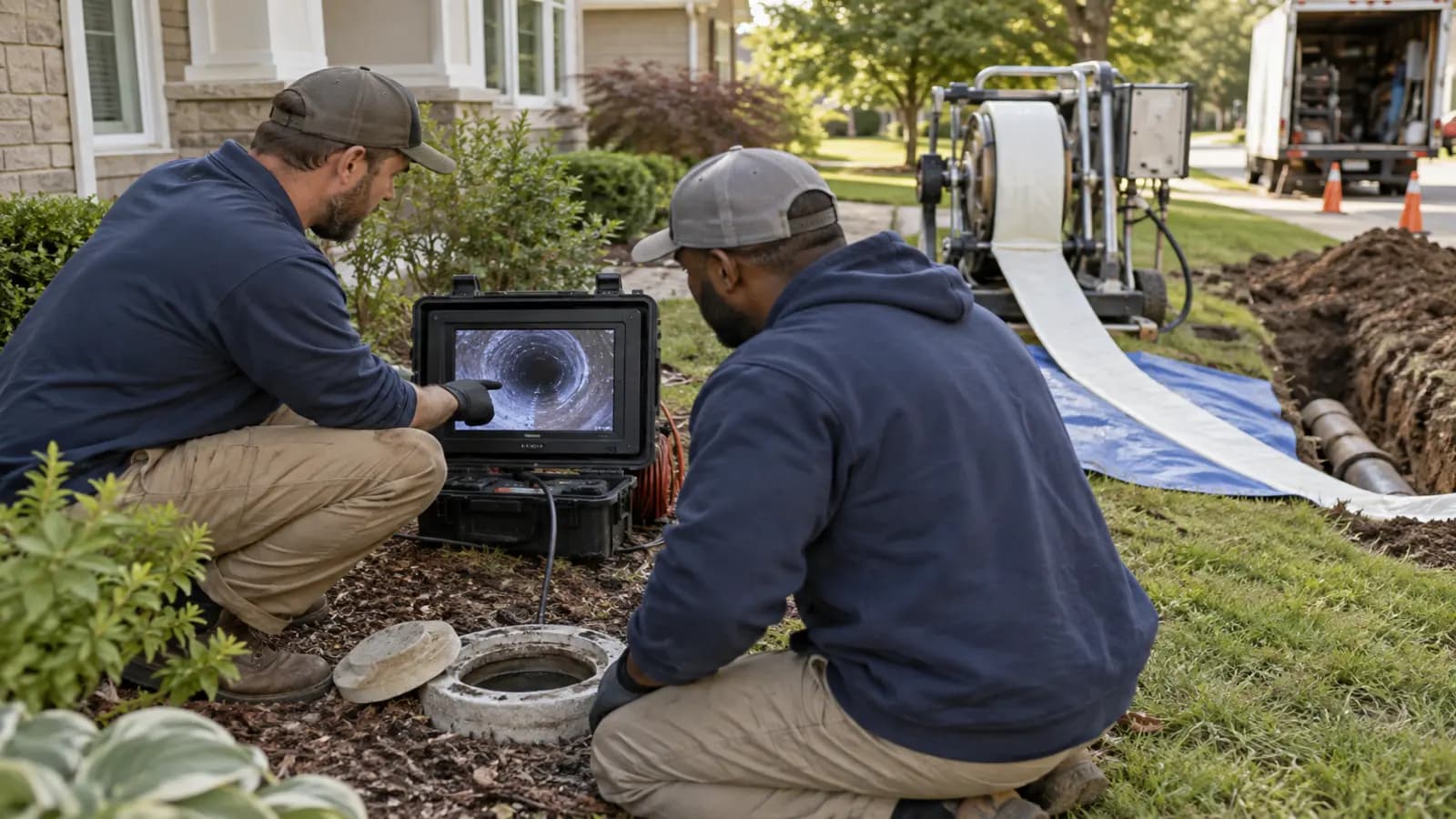
Sewer Line Repair vs Replacement: Inspection, Lining and Excavation Costs
A camera image is evidence, not a complete diagnosis. Compare cleaning, spot repair, lining, bursting and excavation only after locating the failure and defining pipe ownership.

Mold After a Water Leak: Who to Call and What Cleanup Involves
Stop the moisture source first, document affected materials and separate plumbing repair from drying and remediation. Fast action can limit damage without turning cleanup into unsafe demolition.
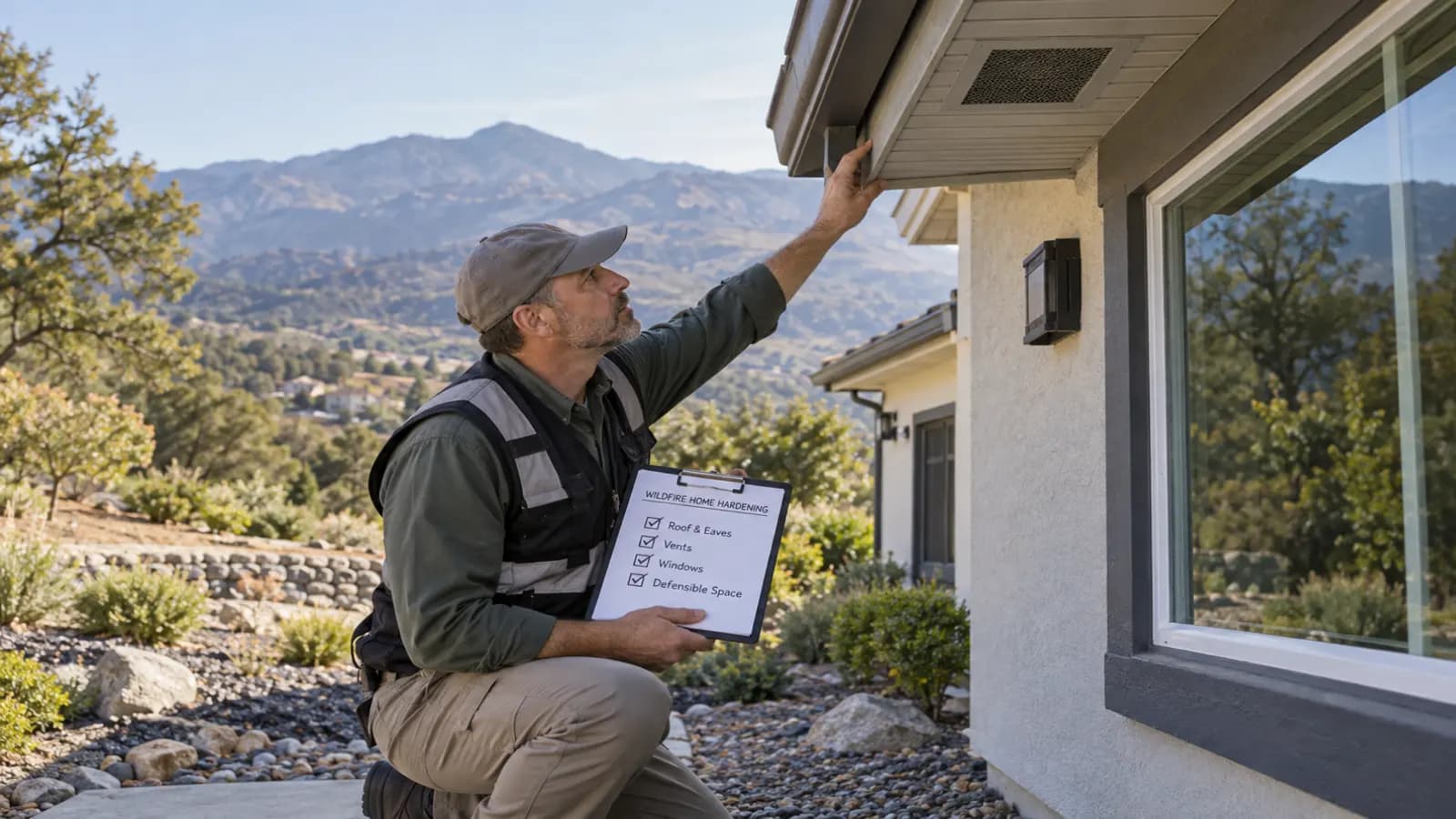
Wildfire Home Hardening Checklist: Roofs, Vents, Windows and Exteriors
Home hardening focuses on how embers and heat reach the structure. Prioritize the roof edge, vents, openings and the area immediately around the home before buying cosmetic upgrades.

How to Verify a Local Contractor: License, Insurance and Review Red Flags
A local phone number, map listing and five-star profile do not prove that a contractor is established nearby. Verify the legal business, credentials and written scope independently.

Aging-in-Place Bathroom Remodel Cost: Safer Showers, Grab Bars and Layouts
A useful accessibility remodel begins with the resident's mobility and daily routine, then coordinates structure, waterproofing, clearances, lighting and controls.
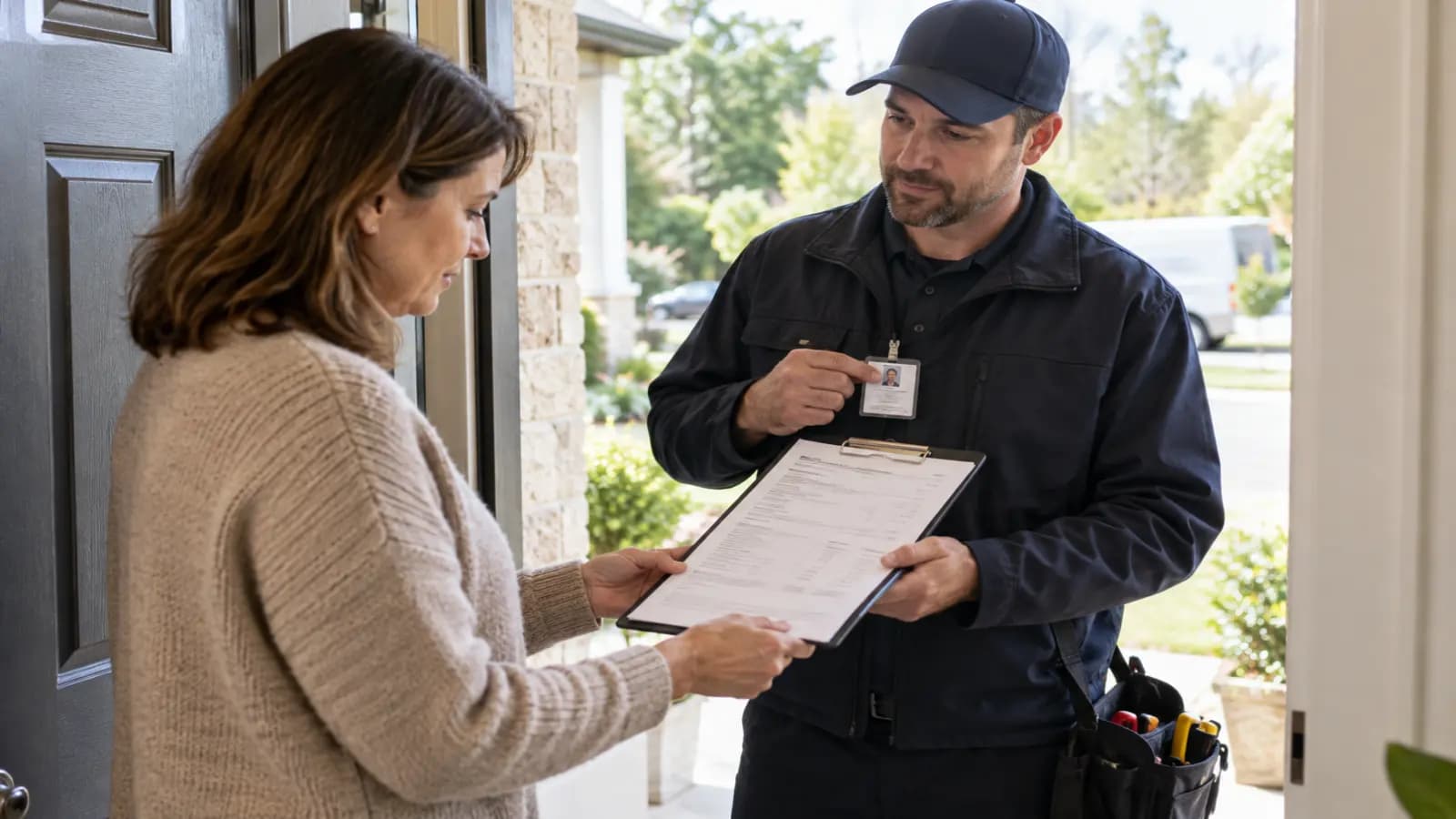
Locksmith Bait Pricing: How the $19 Call Becomes $400
Recognize the difference between a disclosed dispatch fee and a price designed only to get a technician—and a much larger bill—to your door.
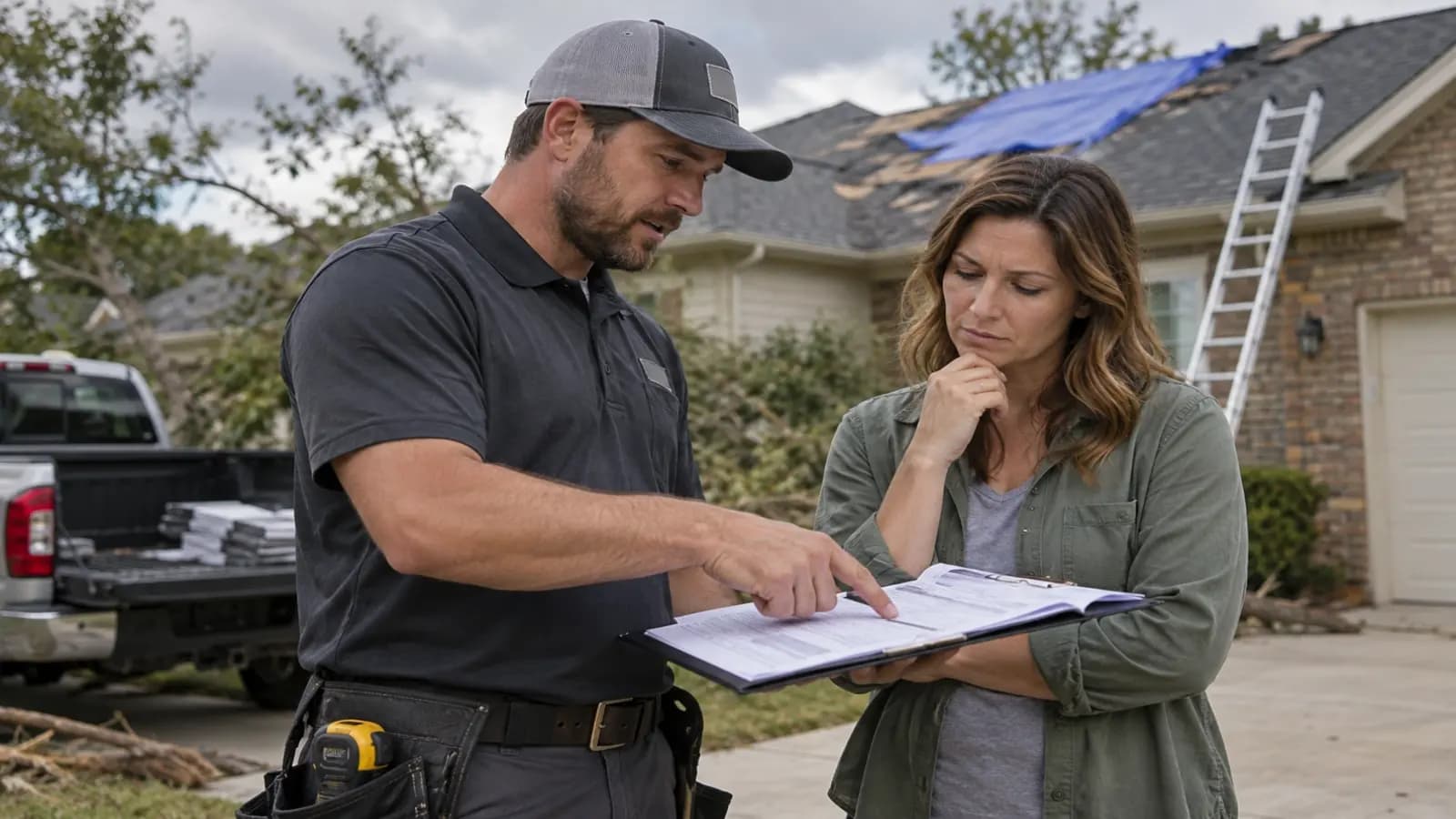
How to Tell a Storm Chaser From a Local Roofer
A post-storm roofer is not untrustworthy merely because the crew traveled. Use these checks to find out who is accountable before signing, paying, or assigning claim rights.
Using our homeowner guides
Research the job before you request an estimate
Home projects are easier to compare when you understand the likely scope before speaking with a contractor. These guides explain common warning signs, typical project steps, cost drivers, maintenance decisions, and questions worth asking. Start with the system or room involved, then use the category filters to narrow the library to cost, hiring, maintenance, emergency, or home-system topics.
Cost figures are planning references, not quotes. Actual pricing can change with location, accessibility, material grade, equipment capacity, code requirements, permits, disposal, and the condition found after work begins. Ask each provider to describe what is included and excluded so that competing proposals cover a comparable scope.
Use checklists as a starting point for a conversation, not as a reason to skip an inspection. Symptoms can have more than one cause: a tripping breaker may reflect an appliance or wiring problem, water near a fixture may travel from another location, and uneven temperatures may involve equipment, controls, insulation, or airflow. A clear description of when the problem started, what changed, and what you have already observed can help a professional prepare for the visit.
For urgent problems, protect people and property first. Leave an unsafe area, contact emergency services when appropriate, and use utility shutoffs only when you can do so safely. A troubleshooting article cannot inspect your home and is not a substitute for a qualified professional's on-site diagnosis.
Before hiring, verify current licensing where required, insurance, who will perform the work, permit responsibility, payment milestones, cleanup, and written warranty terms. Keep copies of the estimate and change orders. Our editorial team reviews published material and provides a correction process when a factual claim needs another look.
Plan for the practical parts of the appointment as well. Ask whether utilities must be shut off, furniture or vehicles should be moved, pets need to be secured, and someone must remain at the property. For work that opens walls, floors, or roofing, confirm who is responsible for restoration and weather protection. For equipment replacement, record model and serial numbers and ask how old materials will be removed. These details often distinguish two estimates that initially appear to offer the same job.
Revisit the relevant guide after receiving an estimate. Check that the proposal addresses the major cost drivers and preparation steps, then ask the provider to explain any option you do not understand. The lowest total is not automatically the best fit when proposals use different materials, omit permits or disposal, provide different warranty coverage, or assume different repair boundaries. If conditions discovered during the job require a change, ask for the revised scope and price in writing before additional work proceeds. Good documentation gives both the homeowner and provider a shared record of the decision. Local codes, incentive programs, and product specifications can change, so verify time-sensitive requirements with the responsible agency, utility, manufacturer, or licensed professional before relying on them for a purchase or project decision.
Tell us the job — we’ll request a match with independent local pros.
Free to submit, and you’re never obligated to hire.