Before closing on a solar-equipped home, determine who owns the system, what transfers, how it performs and whether roof or electrical work is approaching.
Looking for verified solar-installation specialists? Check availability in seconds.
Check ZIP code availabilityIdentify who owns the solar system
Do not assume panels convey free and clear with the home. The system may be owned outright, financed by a loan, leased or governed by a power-purchase agreement. Ask for the signed agreement and current payoff or transfer instructions.
Have your real-estate and lending professionals review obligations before contingencies expire. A lower electric bill does not reveal a lien, escalator, buyout requirement or transfer approval.
Request the complete system file
A useful file lets an inspector verify what was approved and installed.
Purchase, loan, lease or PPA agreement and current account statement.
Equipment models, serial numbers and original proposal.
Building and electrical permits plus final inspection.
Utility interconnection and current rate-plan information.
Module, inverter, roof-penetration and labor warranties.
At least 12 months of production and utility-bill history.
Monitoring credentials and service records.
Check production without relying on one bill
DOE recommends reviewing production data because roof direction, shade, system size and equipment condition affect output. Compare multiple years when available and ask about outages or monitoring gaps.
A production decline does not diagnose the cause. Shade growth, a failed inverter channel, communications loss, soiling or module damage require different responses.
Inspect the roof and electrical work
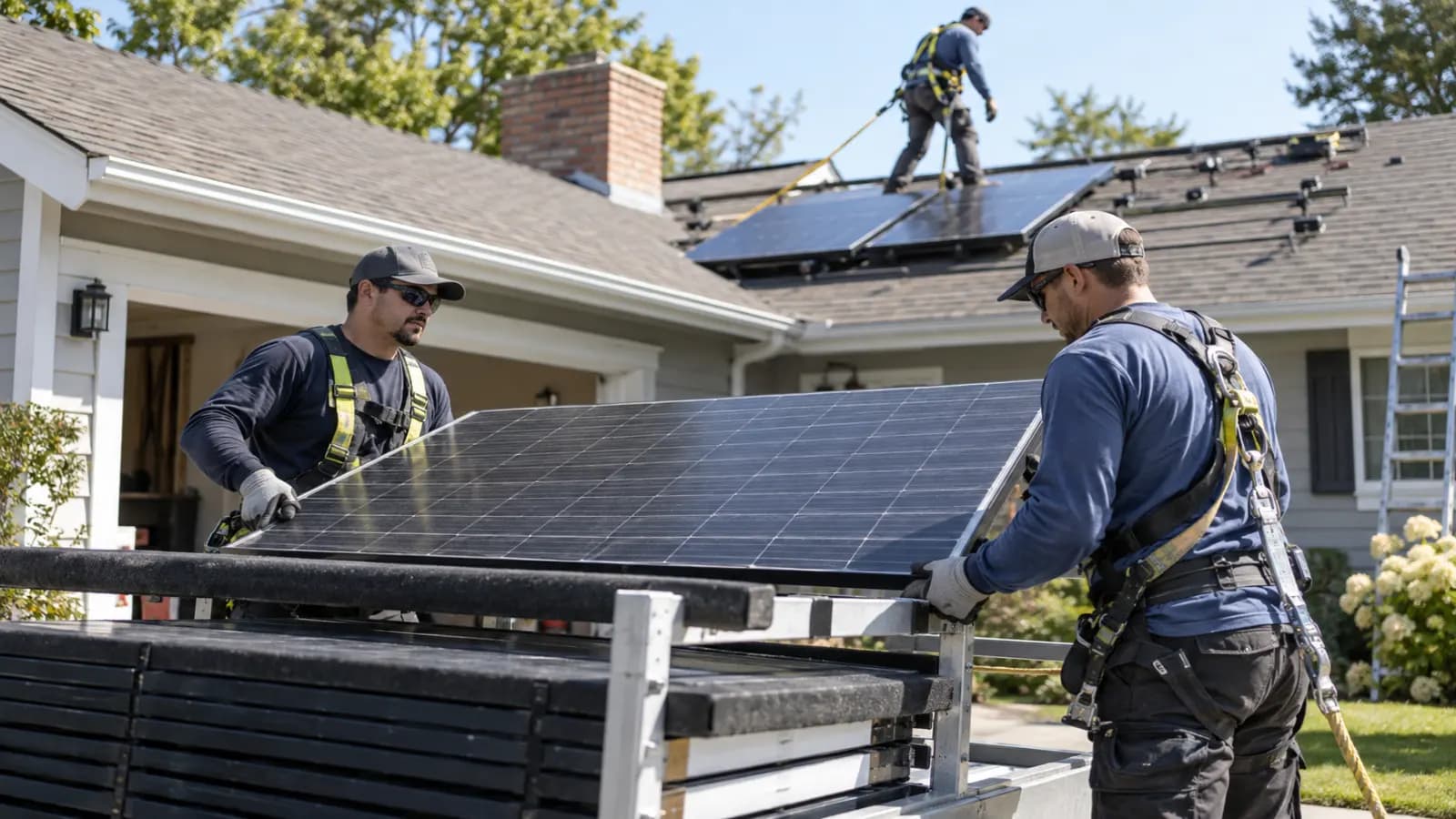
Determine roof age, covering type, leak history and remaining service life. A near-term reroof can require panel removal and reinstallation, so include that future cost in the purchase decision.
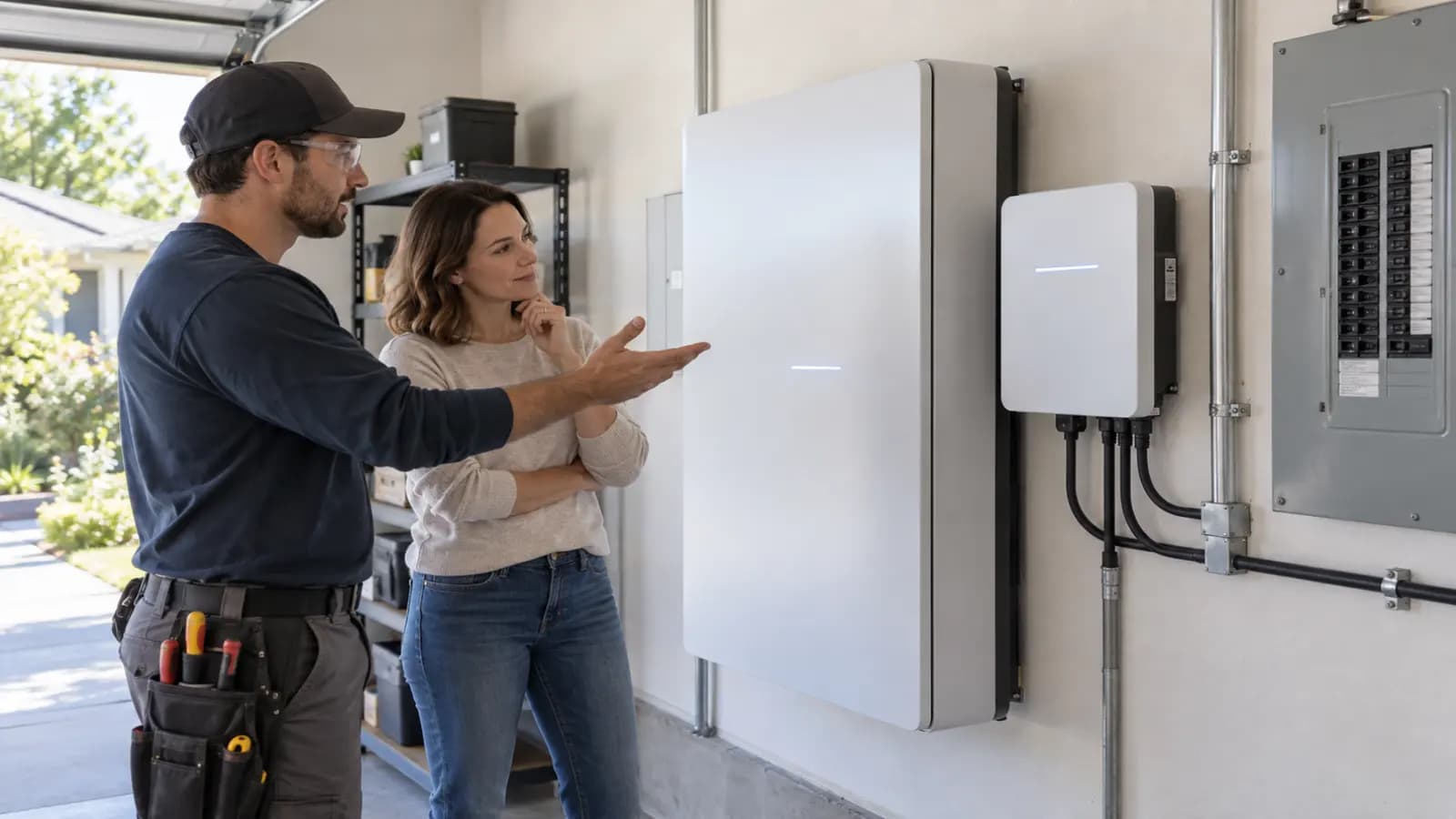
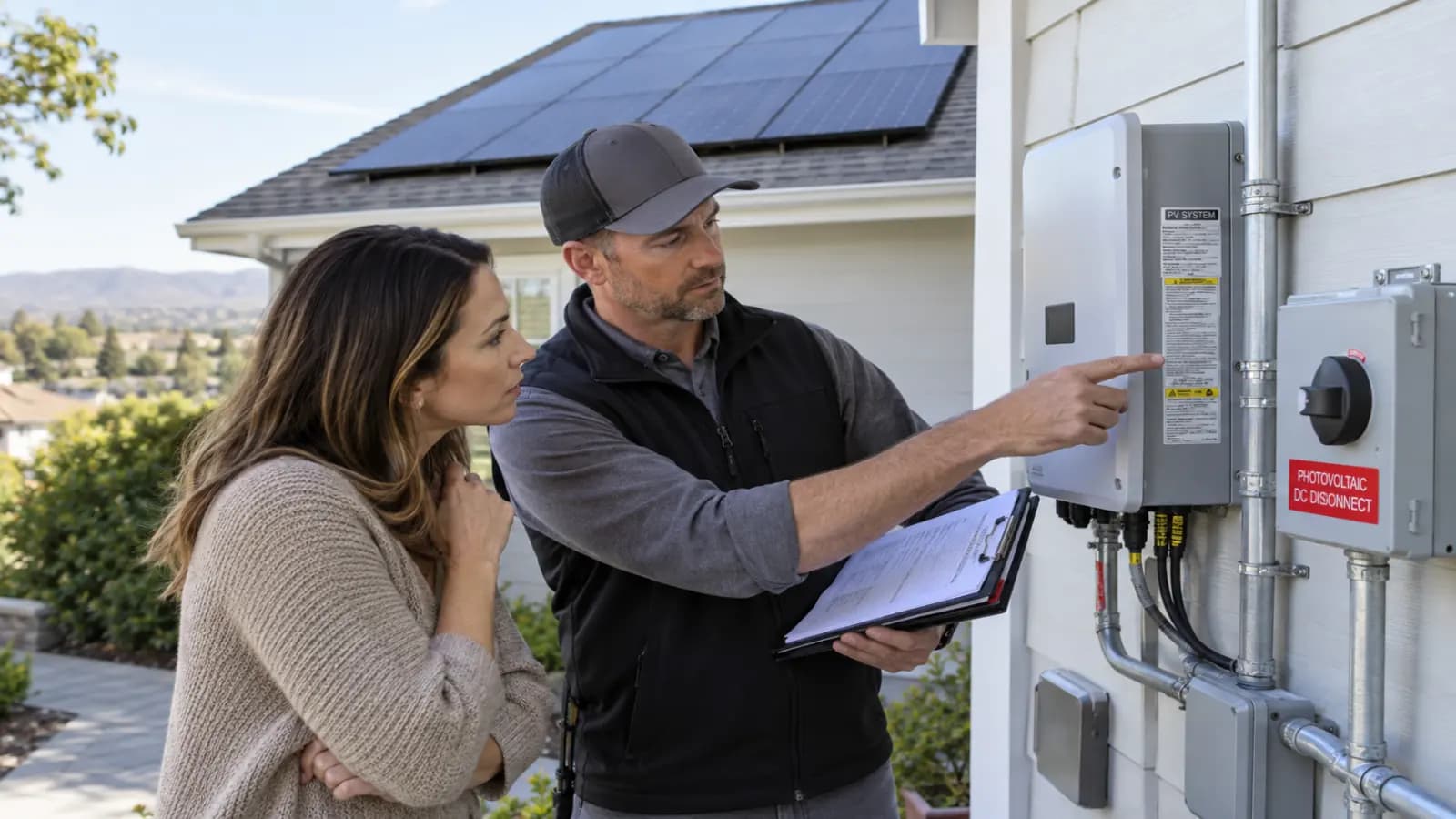
A qualified inspection should review visible mounting, flashing, conductor protection, disconnect labeling and service equipment. A general home inspection may not include full photovoltaic diagnostics.
Understand warranties and transfer deadlines
Ask each manufacturer and installer which warranties transfer, whether registration is required and what proof must be submitted. Separate equipment coverage from labor and roof-penetration promises.
Confirm who supports the system if the original installer no longer operates. Save documents outside the seller's monitoring account before ownership changes.
The bottom line
A solar-equipped house can be attractive, but value depends on clear ownership, documented performance, transferable coverage and a roof that will not immediately require expensive coordination.
Resolve financial and contractual questions before closing and use appropriately licensed professionals for technical evaluation.
Frequently asked questions
Do solar panels automatically transfer with a house?
Owned equipment may transfer with the real estate, but loans, leases and PPAs can impose separate requirements. Review the signed agreement and title or lien information.
Can a solar lease affect a mortgage?
It can affect underwriting or closing steps. Give the complete solar agreement to the lender early rather than waiting until final approval.
How can buyers verify solar production?
Request monitoring access and multiple years of monthly production. Compare it with the system design and utility records, accounting for weather and shade.
Who inspects solar panels before a home purchase?
A qualified solar or electrical professional can provide system-specific evaluation. Confirm the scope because a standard home inspection may be limited.
What if the original solar installer is gone?
Manufacturer warranties may still exist, but labor support can be harder. Identify compatible service companies and confirm warranty procedures before closing.
This guide is general consumer information, not legal, lending, real-estate or tax advice. Contract and transfer requirements vary.
Sources and further reading
- A Consumer's Guide to Buying a House With Solar Panels — U.S. Department of Energy
- Homeowner's Guide to Solar — U.S. Department of Energy
This guide was researched and reviewed by the GetLocalExperts Editorial Team against primary regulatory benchmarks, state contractor licensing board standards, and FTC consumer protection guidelines.