Why putting 25-year solar panels on a 15-year-old roof can cost thousands in 'remove and reinstall' fees later.
Looking for verified solar-installation specialists? Check availability in seconds.
Check ZIP code availabilityThe 25-year panel vs. 15-year roof dilemma
Modern Tier 1 photovoltaic solar panels carry 25 to 30-year manufacturer performance warranties. However, standard 3-tab asphalt shingles last approximately 15 to 20 years, while architectural shingles average 22 to 28 years under typical weather conditions.
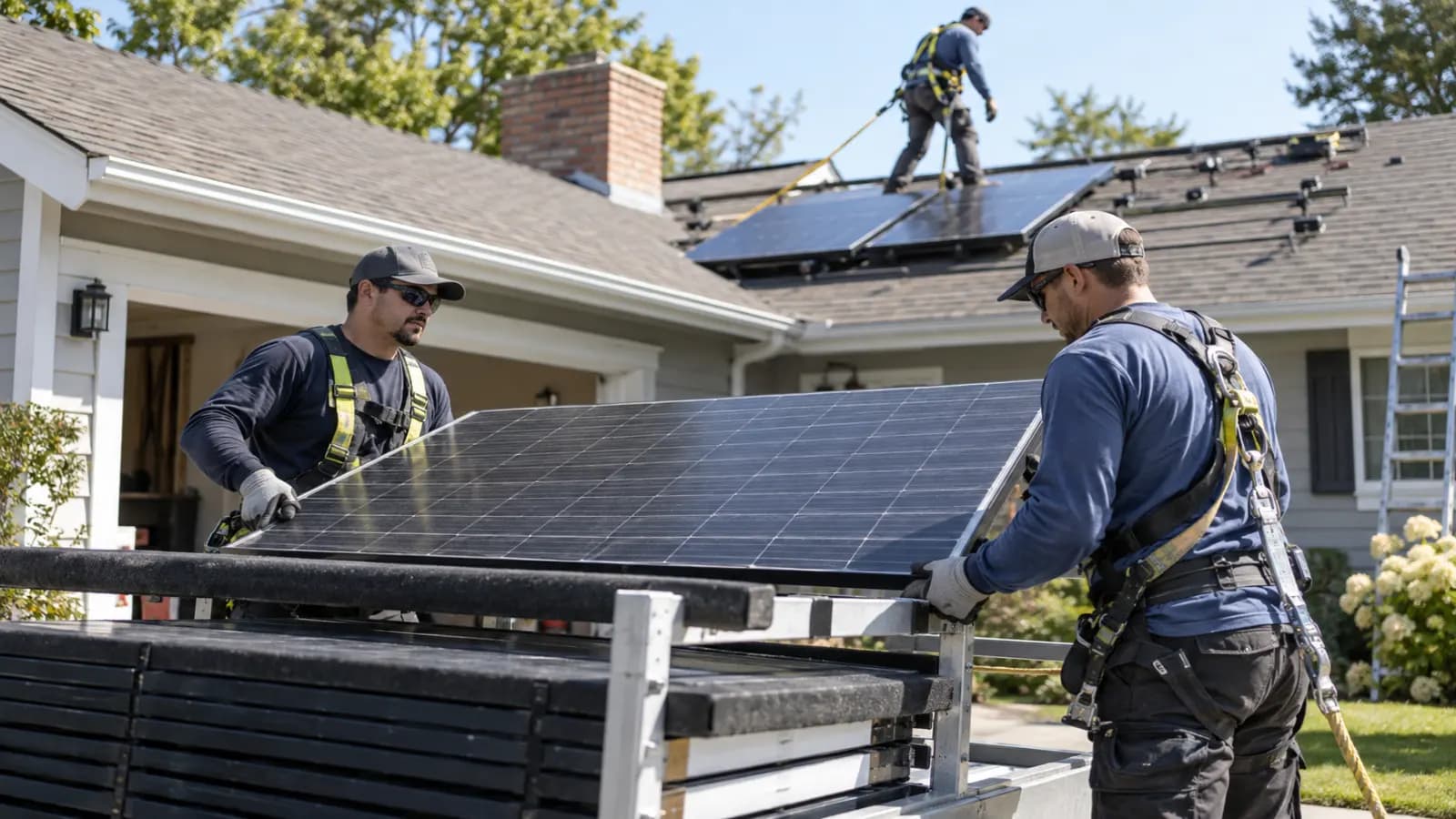
If you install a solar array on a roof that has only 5 to 10 years of remaining life, you will inevitably have to replace the roof beneath the array while the panels are still in their prime operating years. Detaching, carefully lowering, storing, and reinstalling a 20-to-30 panel array during a reroof commonly costs between $3,000 and $7,000 in dedicated solar labor.
Roofing materials and mounting methods
Different roofing materials require distinct racking hardware and installation techniques to ensure long-term weatherproofing.
Structural rafters, decking, and load calculations
Solar panels and mounting racking add approximately 2.5 to 4 pounds per square foot of dead load to your roof. While modern residential roof framing engineered to International Residential Code (IRC) standards readily accommodates this weight, the array also creates aerodynamic uplift forces during high-wind events and alters snow accumulation patterns.
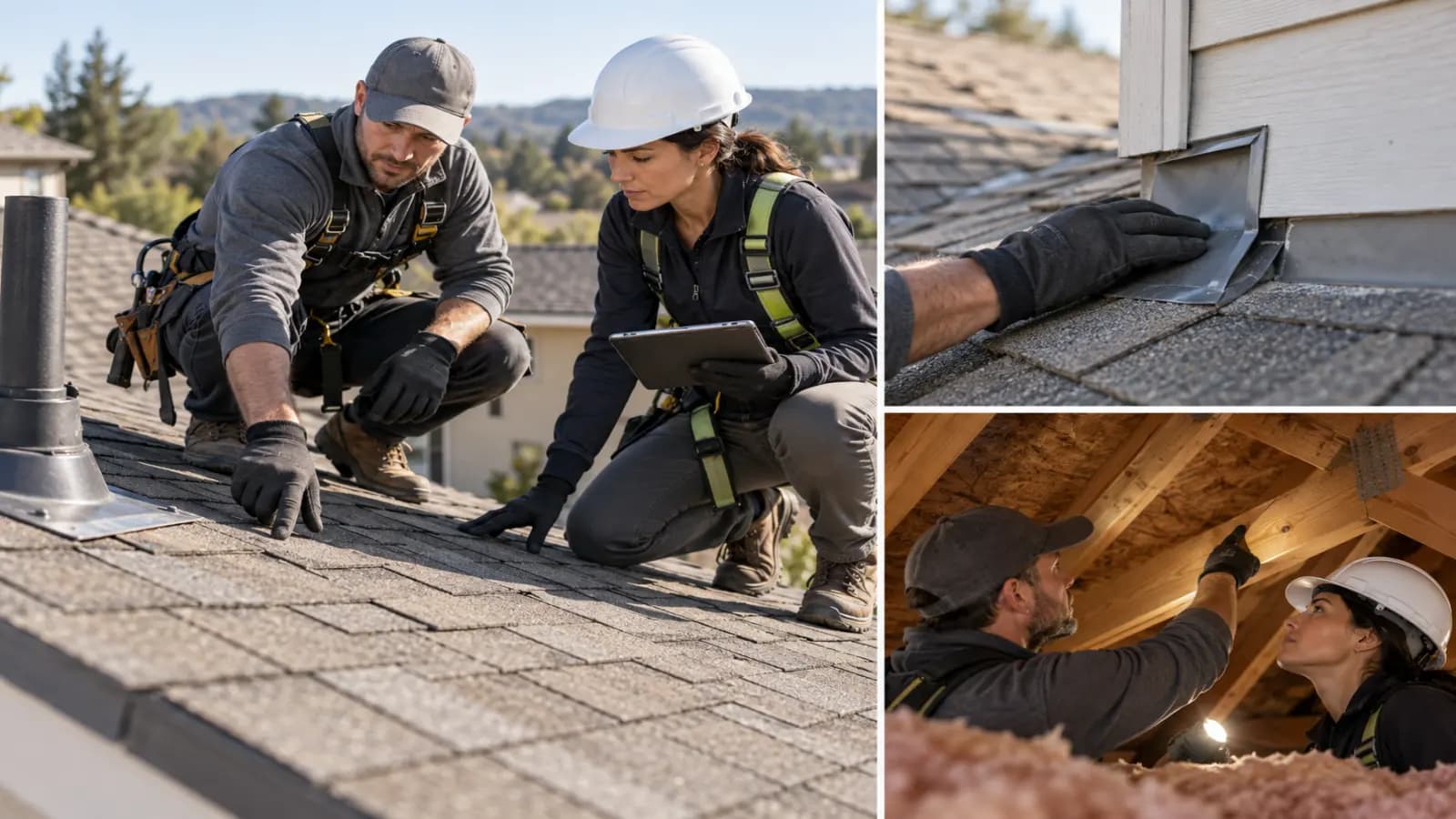
A licensed structural engineer or qualified solar installer will inspect the attic framing before permitting. Older homes with 2x4 rafters on 24-inch centers or roofs with existing decking sagging may require structural sistering, knee walls, or collar ties before permits can be issued.
Electrical service panel capacity (The 120% Rule)
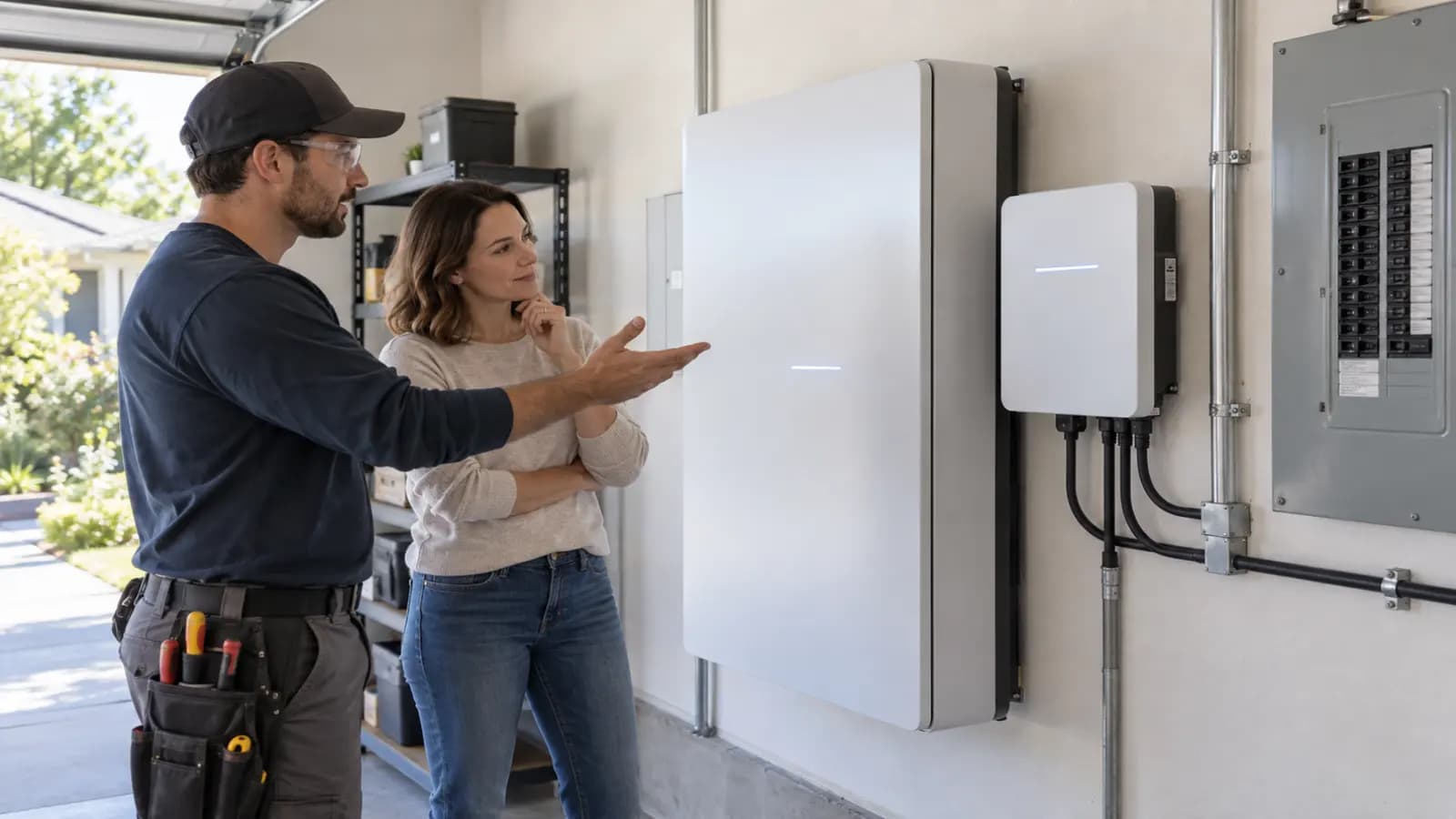
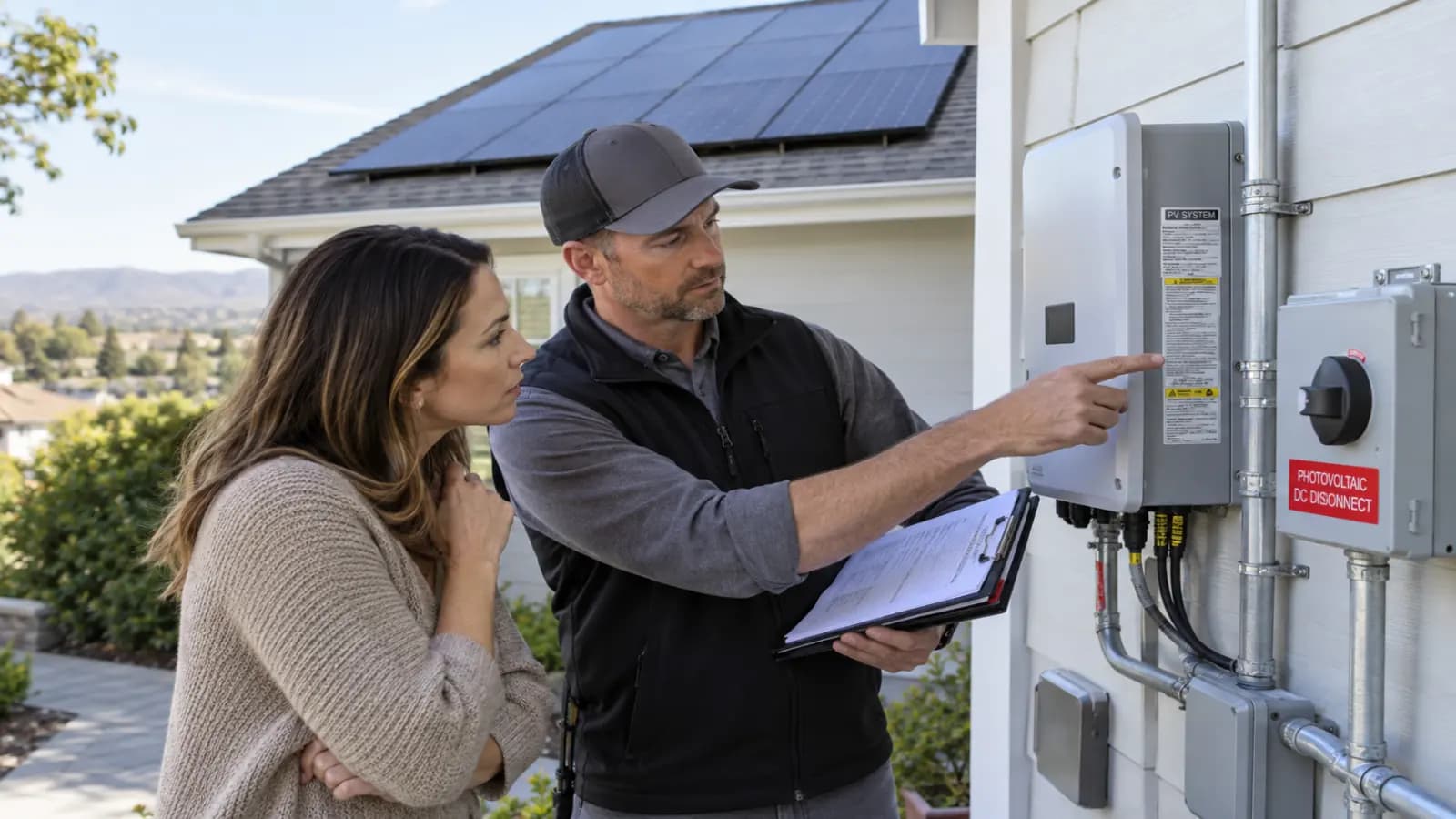
Your main electrical service panel dictates how much solar electricity can safely feed into your home's wiring. Section 705.12 of the National Electrical Code (NEC) governs the '120% rule': the sum of the main service breaker and the solar backfeed breaker cannot exceed 120% of the electrical panel busbar rating.
Homes with older 100-amp or 125-amp service panels frequently cannot accept a standard 7–10 kW solar system without an electrical main service panel upgrade to 200 amps ($1,500 to $3,500) or a derated main breaker, which should be identified during the initial site survey.
Preserving your existing roof warranty
Before drilling lag bolts into your roof shingles, review your existing roof manufacturer and workmanship warranties. Poorly flashed solar penetrations can void roofing contractor coverage for leaks in the affected roof plane.
Reputable solar companies provide their own 10-to-25-year roof penetration and workmanship warranty, guaranteeing that all attachment points remain watertight. If your roof was installed recently, consider asking your original roofing contractor if they have a preferred solar attachment method or partnership.
Frequently asked questions
Should I replace my roof before installing solar panels?
Yes, if your asphalt shingle roof is more than 12–15 years old or showing signs of granule loss, curling, or storm damage. Replacing the roof first allows the new roof and solar array warranties to run in parallel.
How much does it cost to remove and reinstall solar panels for a new roof?
Removing and reinstalling a residential solar array typically costs between $2,500 and $6,500 depending on panel count, roof pitch, electrical wiring, and whether temporary storage is required.
Do solar panels damage your roof?
When installed by licensed professionals using engineered flashing and lag bolts secured into rafters, solar mounts do not damage roofs. In fact, panels protect the underlying shingles from UV degradation and hail impact.
Cost ranges here are general research estimates compiled from national and regional data. They are not quotes, offers or price guarantees — only a licensed provider who has seen the job can price it. GetLocalExperts is a free matching service and does not perform home services.
This guide was researched and reviewed by the GetLocalExperts Editorial Team against primary regulatory benchmarks, state contractor licensing board standards, and FTC consumer protection guidelines.